Unlocking the Value of Vintage Sports Cards: A Guide for Serious Collectors and First-Time Investors

Collecting vintage sports cards has become more than a hobby; it is a serious investment opportunity. With some cards selling for hundreds of thousands of dollars, understanding what makes a vintage card valuable can help collectors and investors make smart decisions. This guide breaks down the essentials of vintage sports card investing, from identifying investment-grade cards to avoiding common pitfalls.

What Makes Vintage Cards Investment-Grade
Not all vintage sports cards hold the same value. Investment-grade cards stand out because of their rarity, condition, player significance, and market demand. Here are the key factors:
Rarity: Limited print runs or cards from early years of a sport tend to be more valuable.
Player Significance: Cards featuring Hall of Famers or iconic athletes attract more interest.
Condition: Cards with minimal wear, sharp corners, and vibrant colors command higher prices.
Market Demand: Popular sports and players drive demand, influencing card value.
For example, a 1989 Topps Baseball card featuring a rookie star in mint condition is more valuable than a common card from the same set with visible damage.
Assessing Condition and Authenticity
Condition is the most critical factor in determining a card’s value. Professional grading services like PSA, Beckett, and SGC provide standardized assessments. When evaluating cards yourself, focus on:
Corners: Look for sharp, unbent corners.
Edges: Check for chipping or fraying.
Surface: Avoid scratches, stains, or discoloration.
Centering: Well-centered images are more desirable.
Authenticity: Beware of counterfeit cards. Use trusted grading services and buy from reputable dealers.
Grading reports can significantly boost a card’s value by assuring buyers of its condition and authenticity.
Differences Between 1980s-1990s Cards and Modern Releases
Cards from the 1980s and 1990s differ from modern releases in several ways:
Print Volume: The 1980s-1990s saw mass production, which lowered scarcity but created iconic sets.
Design and Materials: Older cards often used thicker cardstock and simpler designs.
Player Rookies: Many legendary players debuted in this era, making rookie cards highly sought after.
Modern Cards: Today’s cards often include autographs, memorabilia pieces, and limited editions, but mass production can dilute value.
For example, the 1990-91 Upper Deck Hockey set introduced high-quality printing and rookie cards of stars like Jaromir Jagr, making it a prized vintage set despite being relatively recent.
Why Sealed Vintage Sets Hold More Value Than Opened Cards
Sealed vintage card sets are unopened packs or boxes that preserve the original condition of the cards inside. These sets often sell for a premium because:
Guaranteed Condition: Cards inside remain untouched and protected from damage.
Rarity: Sealed sets become rarer over time as collectors open packs.
Potential for High-Value Cards: The chance of pulling a rare rookie or error card adds excitement.
Collector Demand: Many collectors prefer sealed sets for their completeness and investment potential.
For instance, a sealed box of 1989 Topps Baseball cards can fetch significantly more than the sum of individual cards opened from the same box.
Tips for Proper Card Storage to Maintain Value
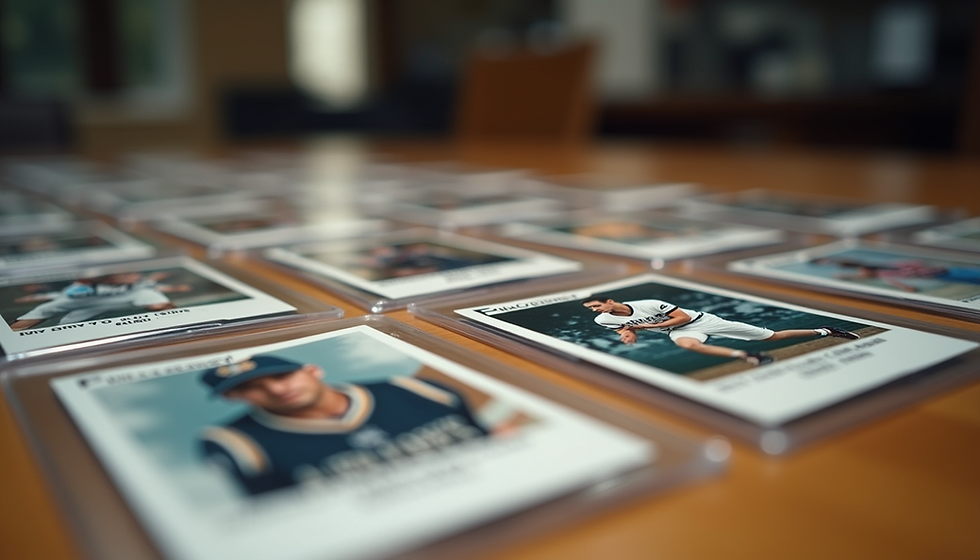
Proper storage is essential to keep cards in investment-grade condition. Follow these tips:
Use Protective Sleeves and Toploaders: These shield cards from dust, fingerprints, and bending.
Store in a Cool, Dry Place: Avoid humidity and extreme temperatures that can warp or discolor cards.
Avoid Direct Sunlight: UV rays fade card colors.
Use Acid-Free Storage Boxes: Prevent chemical damage.
Handle Cards Carefully: Always hold cards by the edges.
Consistent care preserves the card’s condition and protects your investment.
Common Mistakes New Collectors Make
New collectors often make errors that reduce their cards’ value or lead to financial loss:
Ignoring Condition: Buying cards without checking for damage or poor centering.
Falling for Counterfeits: Purchasing cards from unreliable sources without authentication.
Overpaying for Popular Names: Paying too much for common cards of famous players.
Neglecting Storage: Improper storage leads to damage and value loss.
Chasing Trends Blindly: Investing in hype without understanding long-term value.
Avoiding these mistakes helps build a strong, valuable collection.
Projected ROI for Serious Collectors
Vintage sports cards have shown impressive returns over the past decade. For example:
The value of high-grade 1989 Topps Baseball rookie cards has increased by over 200% since 2010.
The 1990-91 Upper Deck Hockey rookie cards have appreciated steadily, with some rare cards doubling in value every few years.
While returns vary by card and market conditions, serious collectors who focus on condition, rarity, and authenticity often see strong long-term gains. Research and patience are key to maximizing ROI.


Comments